
Have you ever imagined a world where your entire fate is decided by the random roll of a single die? Welcome to the Kingdom of Random, a grimly beautiful, gothic fairytale world inspired by the stop-motion animation of Tim Burton. Here, chance isn’t just a concept—it’s the absolute law that shapes society and decides life and death.
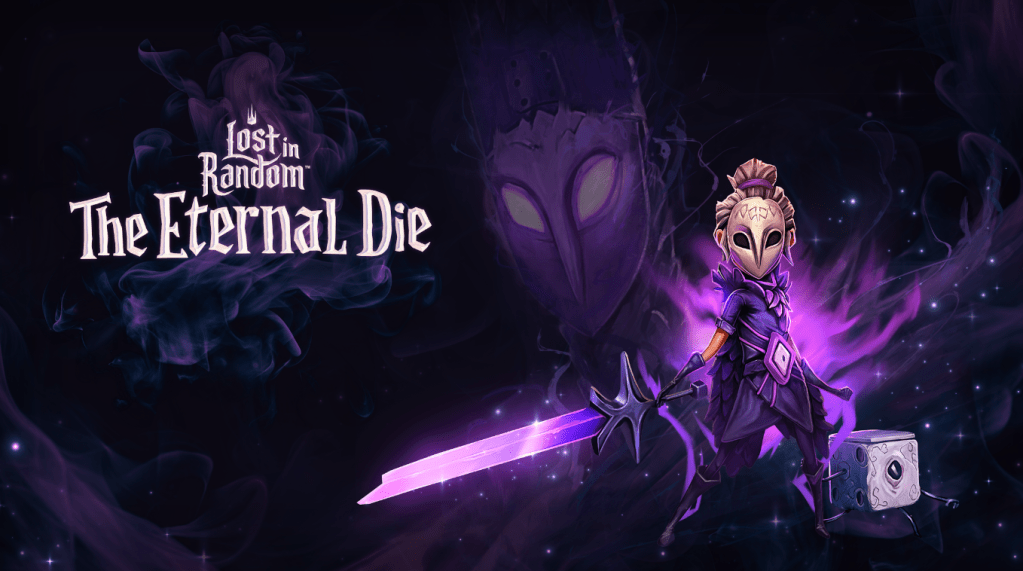
While this world’s adventure began with the original Lost in Random, the story truly reaches its chaotic zenith in its sequel, Lost in Random: The Eternal Die. The game is a complete reinvention, transforming a heartfelt narrative adventure into a heart-pounding, exhilarating game of combat and chance.

A Look Back: An Adventure of Sisterhood
In 2021’s Lost in Random, players took on the role of the courageous Even. On a quest to rescue her sister, Odd, from the clutches of the evil Queen, she partners with Dicey, a living, breathing die. The game was praised for its unique world-building and its combat system that blended action, card-playing, and dice rolls. However, its slow combat pacing and linear progression were noted drawbacks, setting the stage for a radical transformation in the sequel.

Rolling The Eternal Die: A Queen’s Gambit of Revenge
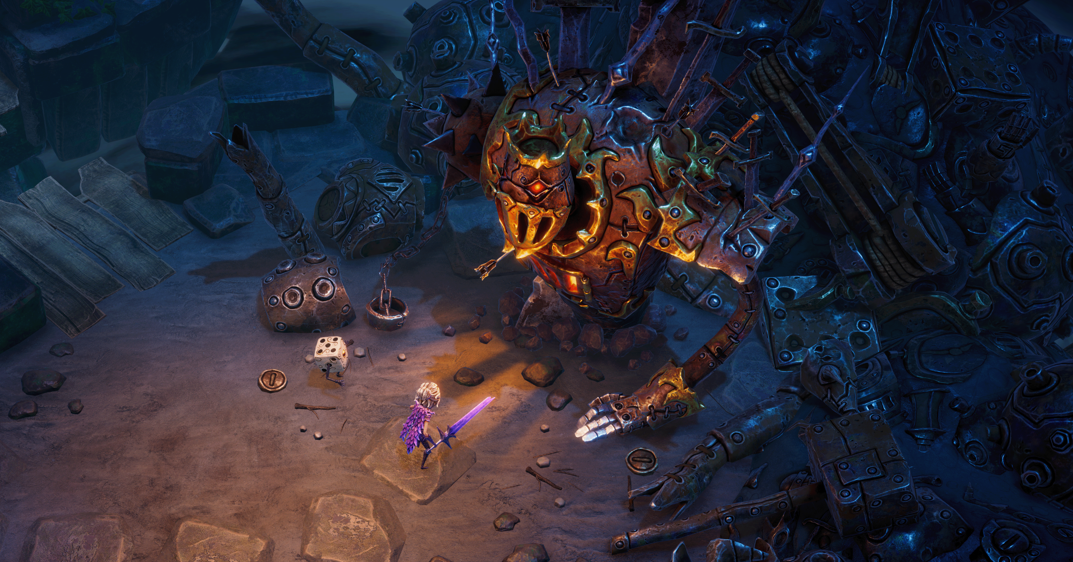
The sequel, Lost in Random: The Eternal Die, is a total evolution. The development team learned from the original, reimagining the game as a fast-paced, addictive action roguelite on par with top-tier titles like Hades.
The Queen’s Perspective: A New Story of Vengeance and Redemption
This time, you are not the innocent girl on a rescue mission. Instead, you play as the series’ formidable original villain, Queen Aleksandra. In a much darker and more intense story, the deposed Queen is trapped in a nightmarish realm of her own making. She must fight her way out, confronting the bitter consequences of her tyranny. This shift in perspective not only offers a fresh narrative but also aligns its theme of “vengeance and redemption” perfectly with the challenging, often brutal, tone of a roguelite.
From Linear to Random: The Magic of the Roguelite Structure
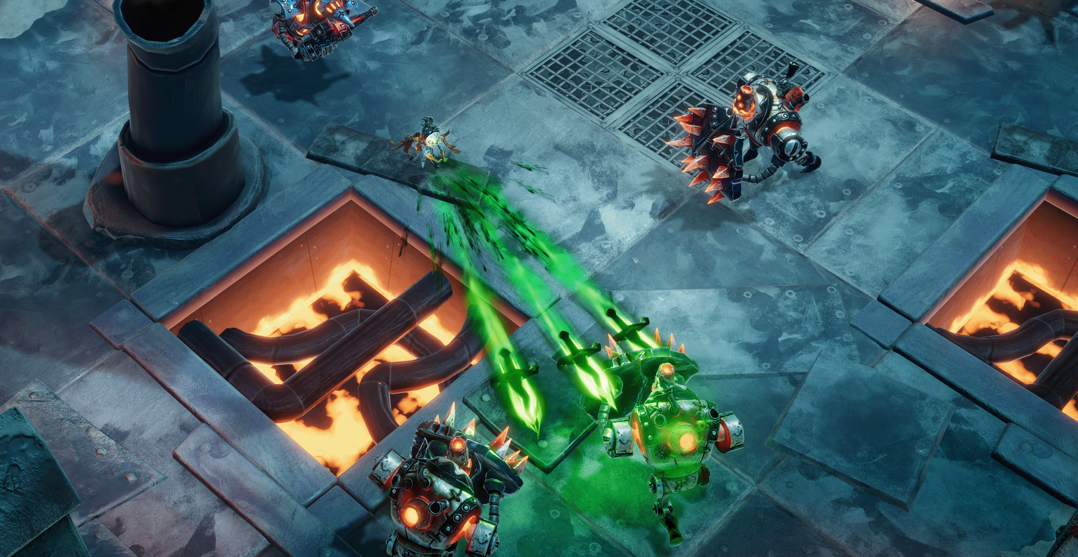
The game’s core loop shifts entirely from linear narrative to a thrilling gameplay cycle. Every attempt is a new gamble. You’ll traverse randomly generated room layouts, face unpredictable enemy combinations, and make difficult choices on each run. This structure brilliantly solves the original’s issues with repetition, ensuring every playthrough feels fresh and uncertain. Get ready for that “just one more run” magic.
Evolved Combat: Faster, Deeper, and More Satisfying
The sequel’s combat system addresses all the shortcomings of the first game. It’s fast-paced, the hits feel impactful, and the challenge is significant. More importantly, it introduces the new “Relic/Pearl” system, which adds a deep layer of strategy. Before each run, you can equip powerful Relics on a grid. By connecting matching “Pearls” on that grid, you can unlock potent bonus effects. This clever blend of match-3 puzzling and pre-run strategy makes your loadout just as important as your in-the-moment reflexes.
Meta-Progression: Death is Not the End
As a roguelite, death is part of the learning process. After each run, win or lose, you return to a central hub world, the “Sanctuary.” Here, you can spend resources collected during combat to unlock permanent upgrades. You can boost the Queen’s base stats, unlock new weapons, or expand your collection of Relics. This “meta-progression” system ensures that every effort is rewarded. You are always getting stronger, making success in your next run that much more likely.

The Price of Transformation: Trading Soul for Systems
However, this successful transformation didn’t come without a cost. In honing the game’s mechanics, the sequel sacrificed some of the original’s most beloved features:
- Narrative Takes a Backseat: The soul of the first game was its charming story, characters, and world-building. In the sequel, to better serve the fast-paced combat loop, the narrative is noticeably secondary. The story feels more like a framework to justify the combat rather than the core of the adventure, which may leave players who loved the original’s dark fairytale atmosphere feeling a bit let down.
- Diluted Charm, Convergent Design: By adopting the successful market-tested “Hades-like” roguelite formula, the sequel, while achieving gameplay success, lost some of the unique, hard-to-categorize “hidden gem” quality of the original. This shift makes the game feel more “mainstream,” sacrificing some of the first game’s raw originality.
In short, the sequel traded the story-driven, atmospheric charm of the original for a mechanically superior but potentially less soulful combat loop.
How Should I Choose?
- If you’re a fan of incredible gameplay: Lost in Random: The Eternal Die is the clear choice. It offers a polished, exhilarating, and deeply challenging combat experience with enough depth to keep you hooked for dozens of hours.
- If you’re a fan of story and atmosphere: The original Lost in Random is still an experience worth having. It boasts an unparalleled world and a charming story. Playing it first will also give you a much deeper appreciation for the Queen’s character arc in the sequel.
Regardless of your choice, Lost in Random: The Eternal Die proves itself to be a mechanically mature and masterfully refined game. It successfully evolved a highly creative IP into a top-tier title that can stand with the best in its genre. Are you ready to roll the dice and master your own fate in the land of Random?

 LaLaWiz Games
Leave a comment