

The world of virtual reality (VR) never stops evolving. With each technological leap, we are led deeper into the fantastical spaces constructed by digital means. In the VR battlefield where numerous manufacturers compete, Bigscreen VR stands out for its relentless pursuit of lightweight design and high image quality. Following the initial Beyond’s surprising disruption of the industry’s imagination of VR headsets, they have returned to the spotlight with the all-new Bigscreen Beyond 2, promising an even more immersive and comfortable next-generation experience. Can this highly anticipated headset once again break boundaries and challenge the existing VR landscape? Let’s delve into the exploration.
Bigscreen Beyond 2: Redefining Immersion, Again

Bigscreen VR, the company that dared to shrink the VR headset to near-goggle proportions with their original Beyond, is back at it again. With the newly announced Bigscreen Beyond 2, they’re not just iterating; they’re making a bold statement about the future of premium PC VR. As a tech journalist who’s seen it all, I can confidently say that the Beyond 2 has the potential to significantly shake up the high-end VR landscape.
The original Bigscreen Beyond, while groundbreaking for its minuscule size and weight (a mere 127 grams), already impressed with its dual 2560×2560 micro-OLED displays, delivering exceptional clarity with 32 pixels per degree. However, it wasn’t without its limitations. The field of view, while decent at 102° diagonal, left some enthusiasts wanting more, and the fixed IPD (interpupillary distance) made sharing the headset a no-go.
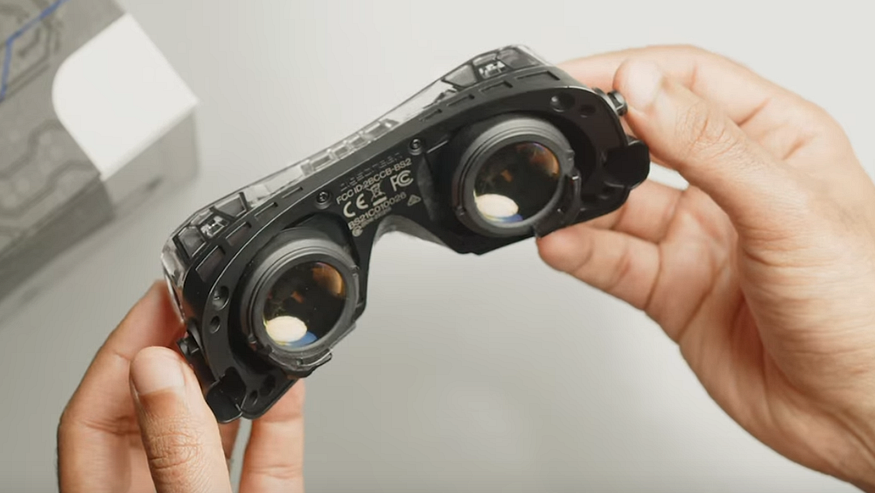
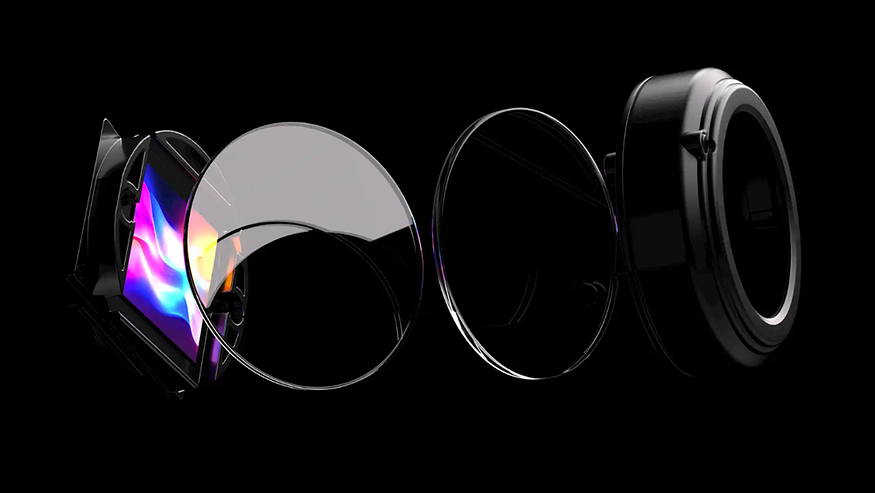
Enter the Beyond 2. According to Bigscreen, the sequel doesn’t bring a resolution bump, retaining the same stunning micro-OLED panels. Instead, the focus is firmly on enhancing the visual experience through next-generation pancake lenses. These new optics are the key to the wider 116° diagonal field of view, a significant increase that promises a more immersive and less binocular-like experience. Edge-to-edge clarity is also touted as a major improvement, addressing a common concern in VR.
Another welcome addition is adjustable IPD, with a physical range of 55mm to 70mm (and software adjustments allowing for 48mm to 75mm). This long-awaited feature finally makes the Beyond 2 shareable and accessible to a wider range of users. And if you thought the original was light, the Beyond 2 shaves off even more weight, now tipping the scales at a featherlight 107 grams. This reduction should further enhance comfort for extended VR sessions.
For those seeking the ultimate in immersion, Bigscreen is also offering the Beyond 2e, which includes integrated eye-tracking capabilities. This opens up exciting possibilities for more natural interactions and foveated rendering, potentially improving performance.
Beyond Specs: How Does It Compete?

In the realm of high-end VR, the Bigscreen Beyond 2 faces multifaceted challenges, with each competing product possessing its own unique advantages and disadvantages. Understanding its potential shortcomings, as well as its weaknesses compared to competitors, is crucial for making an informed choice.
Firstly, compared to the wireless experiences offered by some competitors, the Bigscreen Beyond 2 remains limited to a wired connection to a PC. While a wired connection typically provides more stable data transmission and higher bandwidth, the lack of wireless options (such as Meta Quest 3’s Air Link or Virtual Desktop functionality) somewhat limits the user’s freedom of movement and may increase the complexity of the setup.
Secondly, the Bigscreen Beyond 2 relies entirely on the SteamVR ecosystem. While this means users can access the vast library of SteamVR games and applications, it also locks users into this platform. Some competitors, such as the Meta Quest 3 and PlayStation VR2, have their own carefully curated ecosystems or offer broader platform compatibility.
In terms of controllers, the Bigscreen Beyond 2 does not include its own controllers and instead requires users to pair it with additional SteamVR controllers (such as Valve Index Controllers). While Valve Index Controllers excel in tracking and functionality, this undoubtedly increases the overall cost, especially for users who do not already own them. In contrast, many competitors bundle their own designed controllers with their products, providing a more complete out-of-the-box experience.
Furthermore, unlike some competitors (like the Meta Quest 3), the Bigscreen Beyond 2 does not have standalone operating capabilities. It must be connected to a powerful PC to function, which limits its usage flexibility. Standalone headsets like the Meta Quest 3 can operate without a PC, offering more convenient usage scenarios.
Finally, while the Bigscreen Beyond 2’s micro-OLED screens offer stunning visuals, fully utilizing its 2560×2560 resolution per eye, especially in the 90Hz upscaled mode, may require a PC with significantly high specifications. This could increase the overall cost of use and exclude some budget-conscious users. In contrast, some headsets optimized for specific platforms (such as PlayStation VR2) may be more accessible in terms of hardware requirements.
In conclusion, while pursuing extreme lightweight design and high visual quality, the Bigscreen Beyond 2 falls short compared to some competitors in terms of wireless connectivity, standalone operation, built-in audio, bundled controllers, and platform independence. These factors may influence the choices of different users, depending on their usage habits, budget, and preference for specific features.
Who Will Reign Supreme? A Showdown of Top-Tier VR Headsets
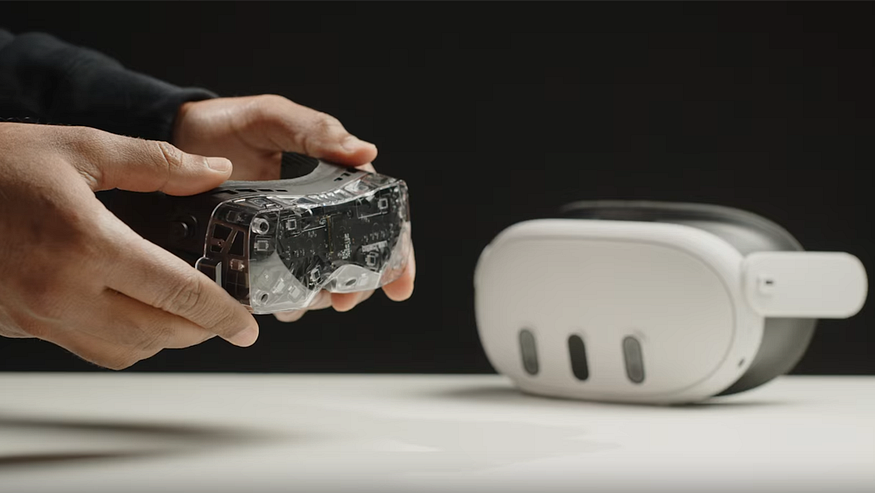
In the realm of high-end VR, the Bigscreen Beyond 2 faces multifaceted challenges, with each competing product possessing its own unique advantages and disadvantages. The Apple Vision Pro is undoubtedly one of the most anticipated newcomers to the market. Its dual ultra-high-resolution micro-OLED screens, wide color gamut, and powerful spatial computing capabilities are impressive. However, its high price point (starting at $3499) and deep integration with the Apple ecosystem set it apart from the PC VR-focused Beyond 2. The Vision Pro leans more towards mixed reality applications, while the Beyond 2 adheres to its pure VR lineage and is closely integrated with the SteamVR ecosystem.
The PlayStation VR2 holds strong appeal in the gaming sector. Its per-eye 2000×2040 OLED screens and 120Hz refresh rate provide PlayStation 5 players with a smooth and detailed visual experience. However, while the PSVR2 can also be used as a PC VR headset, its functionality and compatibility are not as robust as the Beyond 2, which is designed specifically for PC. Additionally, the PSVR2 is significantly heavier, weighing around 560 grams, which may cause fatigue during long sessions.
As for the Meta Quest 3, it strikes a good balance between standalone VR and PC VR, and offers mixed reality capabilities. Its per-eye resolution of 2064×2208 is slightly lower than the Bigscreen Beyond 2’s 2560×2560, but it uses LCD screens, which may not match the contrast and color performance of the Beyond 2’s micro-OLED. The Quest 3’s advantages lie in its wireless standalone operation and relatively affordable price, making it a more accessible option for a wider audience. However, for PC VR enthusiasts seeking the ultimate in lightweight design and the highest visual fidelity, the Beyond 2 may be more appealing.
Compared to some headsets that aim for ultra-high resolution and super-wide field of view (such as the Pimax Crystal Light), the Bigscreen Beyond 2 excels in resolution. The Beyond 2’s strengths lie in its extreme lightweight design, customized comfort, and excellent lens design that delivers clarity and a larger sweet spot. It’s more like a refined product designed for gamers and professionals who pursue a pure immersive PC VR experience and have extremely high demands for portability and comfort.
Final Thoughts
The Bigscreen Beyond 2 is not intended to be the most feature-rich VR headset on the market. Instead, it focuses on providing a pure, visually stunning, and incredibly comfortable PC VR experience. The improvements to the field of view, lens clarity, and the crucial addition of adjustable IPD make it a compelling upgrade option for existing Beyond users and a serious contender for anyone seeking a premium, minimalist VR solution. Before we get our hands on a review unit, these potential shortcomings need to be taken into consideration.




 LaLaWiz Games
Leave a comment